How Scan to BIM Transforms Renovation and Restoration Work
Introduction
Renovation and restoration often turns into complicated jobs. Old buildings often hide surprises that no one truly sees coming. Plans on paper rarely match what is actually on site. Missing details create confusion. Small errors turn into long delays. Costs rise when problems show up too late. Many teams still depend on outdated drawings or rough surveys. This makes the work stressful and risky.
Hidden cracks, uneven walls, or old changes in the building often go unseen. Contractors only find them once work has started. Fixing at that stage wastes money and also time. Owners, architects, and engineers blame each other. Trust breaks and projects lose direction.
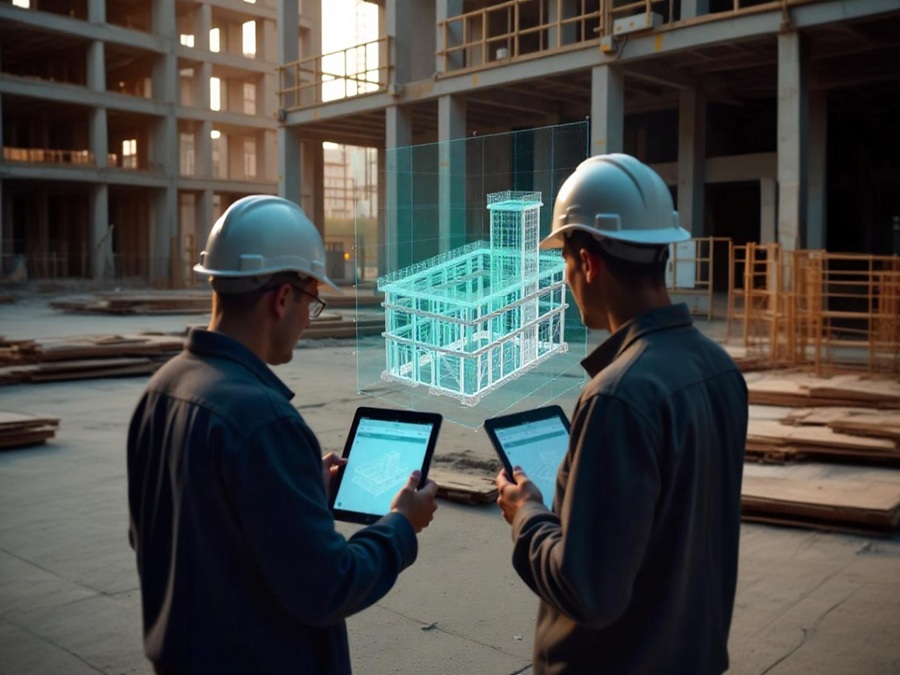
A new method is now changing this story. A BIM engineering company can provide modern tools like scan to BIM solutions, scan to BIM conversion services, and full scan to BIM services. These methods create a digital copy of the real site. Laser scanners capture every detail of the structure. Data then turns into a 3D model. The model clearly reflects the current state of the building. Teams can check it before any decision.
This way reduces guesswork. It helps all teams see the same picture. Architects design with more confidence. Contractors plan without blind spots. Owners get a clear view of progress. Scan to BIM makes renovation and restoration more accurate, smooth, and predictable.
What is Scan to BIM?
Scan to BIM means using 3D laser scans or photogrammetry to capture real conditions of a site. The data converts into a Building Information Model, called BIM. It shows the structure in a digital and exact form.
The process starts with scanning the building. Special tools record walls, floors, roofs, and every corner. The gathered information generates a precise collection of points, often referred to as a point cloud. Next, software converts the cloud into a BIM model. The model is ready for design or planning.
Traditional surveys use tape measures or manual sketches. These take long time and often have errors. Scan to BIM is faster and more precise. It shows details old methods often miss. A smarter way to prepare for renovation and restoration work.
Why Renovation and Restoration Need Scan to BIM
Old buildings do not always have proper records. Drawings are missing, outdated, or just don’t match the current site. Architects and contractors then work without clear details. That creates confusion and wrong choices.
Manual surveys can help, but they take too long. Teams spend weeks measuring rooms and walls. Even then, errors show up. One small mistake in measure can create bigger problems later.
Structures also hide defects that 2D drawings never show. Cracks inside walls, tilted columns, or uneven floors stay unseen. These issues only show after work starts. This leads to delays and extra costs.
Renovation needs precise data from the start. Every inch matters when restoring or upgrading an old building. Scan to BIM provides that. It creates a digital twin of the site. This twin reflects the real condition and removes guesswork.
Key Benefits of Scan to BIM in Renovation and Restoration
4.1 Accuracy in Documentation
Scan to BIM gives precise as-built models that show the real state of a structure. Every wall, corner, and surface is captured. This avoids surprises once the project begins. Contractors know what to expect and plan with confidence.
4.2 Improved Planning and Design
Architects face issues when old drawings don’t match reality. Scan to BIM allows designs to be built on accurate real-world information. This gives more accuracy and avoids wrong ideas. The model also allows testing designs before real work starts. Weak points can be seen early.
4.3 Risk Reduction and Cost Savings
Renovation mistakes can be costly. Scan to BIM shows clashes or structural issues before work begins. Detecting problems early prevents expensive changes later. It reduces rework and prevents waste. Less waste means lower cost and faster finish.
4.4 Enhanced Collaboration
Renovation projects bring many people together. Miscommunication often delays progress. Scan to BIM gives all parties the same model. All users access the identical data instantly. This builds trust and smooth decisions. Teamwork gets stronger.
4.5 Support for Heritage and Historical Restoration
Heritage buildings need special care. Scan to BIM preserves these sites digitally first. The twin records every detail, even carvings. Teams can organize restoration work while keeping the original elements safe. This protects history while adding modern updates.
Practical Uses of Scan to BIM for Renovation and Restoration Projects
Commercial Buildings
Office towers or malls often miss updated records. Scan to BIM captures every floor. A mall in New York used it before renovation. The team saw space limits early, which saved time and money.
Residential Projects
Old homes often have hidden changes from past repairs. Old drawings miss them. In London, Scan to BIM was applied to restore a century-old home. The model revealed tilted walls, so the architect adjusted designs safely.
Heritage Monuments
Historic landmarks need delicate care. A church in Italy used Scan to BIM before work. The 3D model captured carvings in detail. Craftsmen then repaired damaged parts without harming original work.
Infrastructure Upgrades
Bridges and tunnels age with time. Scan to BIM offers safe assessment. A city in Canada scanned an old railway bridge. The model showed weak areas, which engineers repaired before heavy traffic returned.
Challenges and Limitations
Scan to BIM has challenges too. The first is cost. Scanners and software need high investment, which smaller projects may not afford.
Another issue is skill. Trained experts are needed to scan and process data. Without them, accuracy may suffer.
Data size is also tough. Scans create very large files. Strong systems are needed to store and manage. Small teams often struggle with this.
Hidden defects also stay a problem. Scanners only see surface details. Damage inside walls or materials remains unseen..
These limits don’t erase the value of Scan to BIM. With better tools and lower costs, many of these problems will shrink.
Future of Scan to BIM in Renovation and Restoration
The future looks bright. AI and machine learning are coming into Scan to BIM. These can detect cracks or weak spots automatically.
AR and VR also give new power. Teams can walk through digital models and view designs in life-size scale. Owners and engineers see everything before work starts.
The cost of scanning tools is falling. More designers and contractors will adopt it. It will not remain limited to only big projects.
Scan to BIM will guide smart cities too. It can show energy waste and structural needs. Future renovations will be safer, faster, and smarter.
Conclusion
Scan to BIM is changing how renovation and restoration projects move forward. It improves accuracy, reduces risks, and helps preserve heritage. Teams get clear data instead of guesswork. That saves time, reduces cost, and builds trust.
Yes, challenges exist like cost and data size. But the benefits are far stronger. With better tools and lower prices, limits will fade. As technology grows, Scan to BIM will become the standard for safe, cost-effective, and sustainable renovation worldwide.
Author Bio:-
Nitant Shah, the co-founder of Next Synergy Solutions, is pivotal in steering the company’s growth. With 16+ years of experience in the AECO industry, he has been instrumental in positioning his firm as a leading BIM Engineering & Consulting Company. Under his leadership, the company has forged successful collaborations with esteemed architects and contractors in various countries delivering world-class BIM Modeling Services within a remarkably short period.